MyHeartCare Insights
Insights & Resources
Practical, nurse-led guidance to help families coordinate safer, more confident care at home across Dallas–Fort Worth.
Practical, nurse-led guidance to help families coordinate safer, more confident care at home across Dallas–Fort Worth.

Choosing an IV infusion nursing provider is not the same as choosing general help at home. The nurse may be responsible for administering physician-ordered medication, protecting an IV access device, monitoring how the patient responds, documenting treatment, and communicating concerns to the prescribing team. A missed dose, breakdown in sterile technique, or failure to recognize a problem can have consequences that go well beyond inconvenience.
Read article
For patients who need repeated IV medications, the treatment itself is only part of the challenge. Traveling to a hospital or infusion center several times a week can be exhausting, especially after a hospital stay or when illness already makes mobility difficult. Families may also have to rearrange work, transportation, meals and caregiving around every appointment.
Read article
When your doctor prescribes ongoing IV therapy, the next question is often practical: Do you need to travel to an infusion center for every treatment, or can you safely receive the infusion at home?
Read article
When IV treatment is needed for days or weeks, the treatment itself is only part of the challenge. Repeated trips to a hospital or infusion center can mean arranging transportation, sitting in waiting rooms, managing mobility limitations, changing work schedules, and relying on family members for rides. For someone recovering after hospitalization, that extra effort can make an already demanding period more difficult.
Read article
Receiving IV medication outside a hospital can make treatment far more convenient, especially for someone recovering after discharge or managing an ongoing condition. But moving infusion therapy into the home does not make the treatment simple. The medication still has to be given correctly, the IV access must be protected, side effects need to be recognized and different members of the healthcare team need to stay aligned.
Read article
IV infusion therapy can make it possible to receive antibiotics, hydration, specialty medications, and other prescribed treatments without repeated trips to a hospital or infusion center. But when an infusion is taking place at home, patients and family caregivers need to know which changes are normal and which deserve immediate attention.
Read article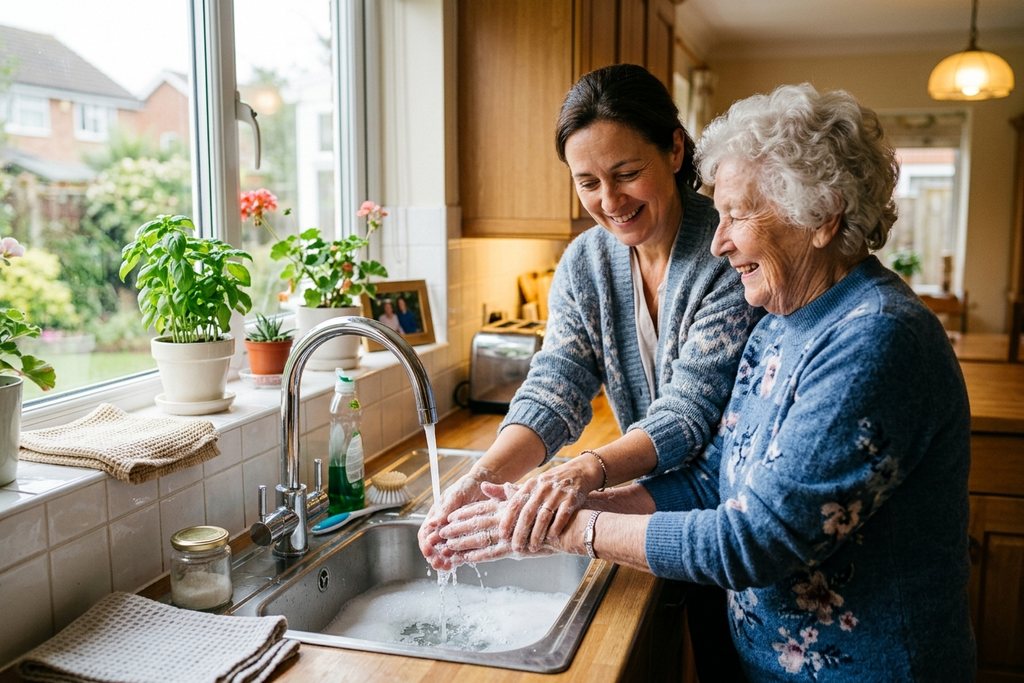
Family caregivers often manage many responsibilities at once, including meals, medications, mobility, bathing, appointments, household tasks, and emotional support. CDC’s core infection prevention practices include patient, family, and caregiver education because infection prevention is more effective when the caregiving network understands how infections spread, how they can be prevented, and what changes should be reported.
Read article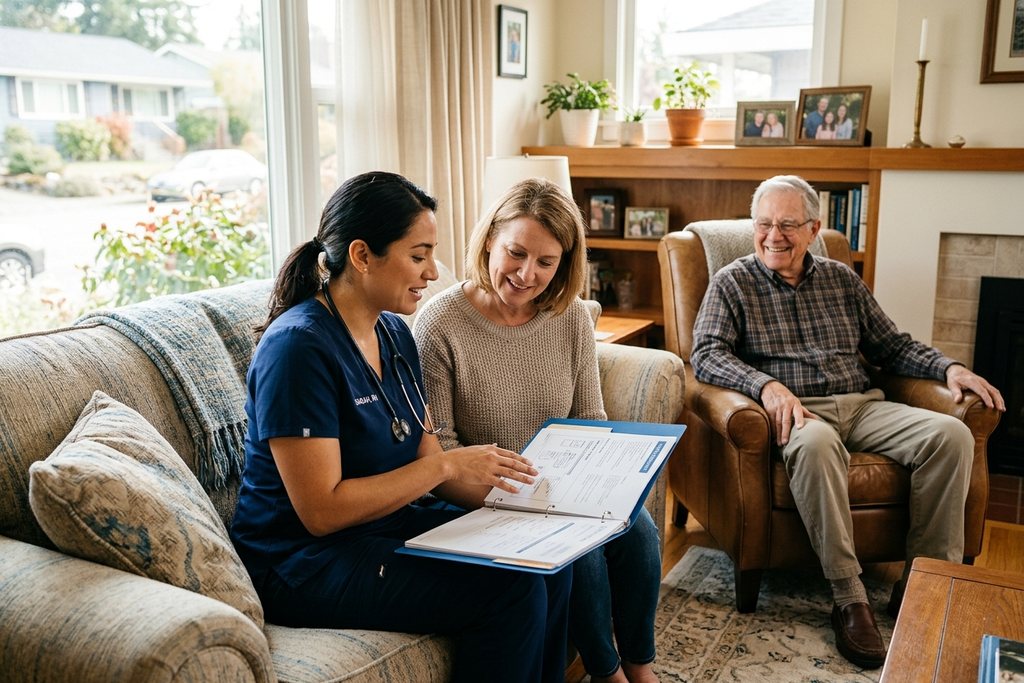
Families have the right to understand how infection risks are being managed. CDC’s core infection prevention practices specifically include patient, family, and caregiver education because families should understand how infections spread, how they can be prevented, and what signs or symptoms should prompt reevaluation and notification of the healthcare provider.
Read article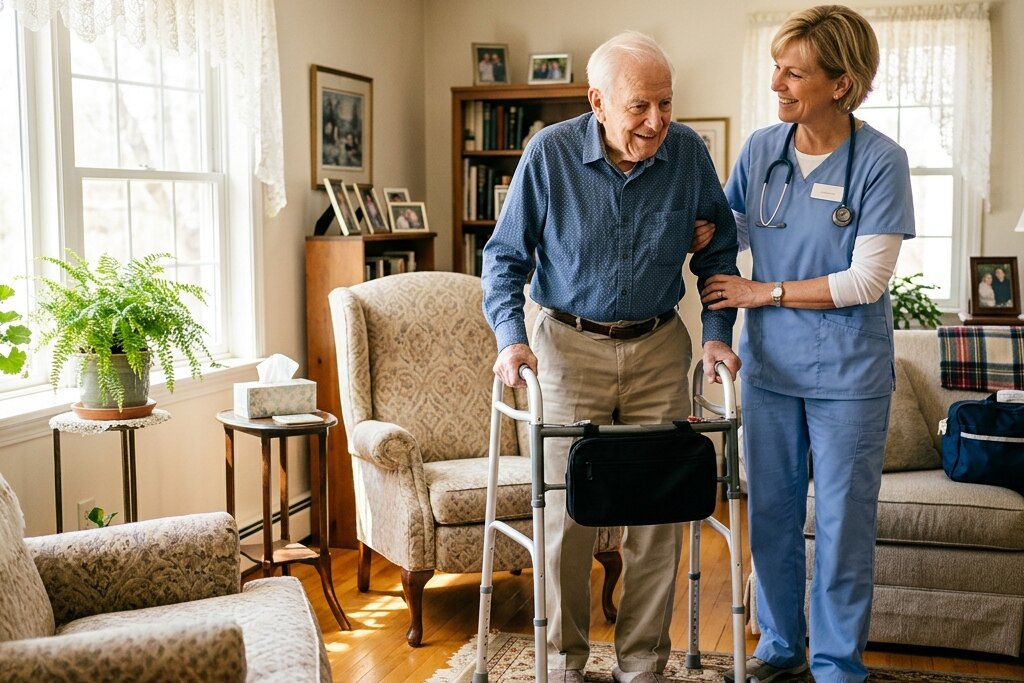
The first days after a hospital or rehabilitation stay can be stressful because families may be managing new medications, medical equipment, wounds, mobility changes, and follow-up appointments all at once. CDC’s core infection prevention practices apply to homes and other care settings outside traditional healthcare facilities, which makes infection-prevention planning after discharge especially important.
Read article
Recovering from surgery does not begin when you arrive home. Good recovery planning starts before the procedure.
Read article
Infections can look different in older adults. A person may not develop the obvious symptoms families expect, and the first sign may instead be confusion, weakness, sleepiness, reduced appetite, or a decline in normal function. CDC’s core practices emphasize patient, family, and caregiver education about what signs or symptoms should prompt reevaluation and notification of the healthcare provider.
Read article
Gloves, masks, gowns, goggles, and face shields are types of personal protective equipment, or PPE. CDC explains that standard precautions use risk assessment and common-sense practices, including PPE, to protect healthcare providers from infection and prevent spread from patient to patient.
Read article
Medication safety at home is not only about taking the correct medicine at the correct time. It also includes keeping the medication area clean, preventing contamination, storing supplies properly, and avoiding accidental sharps injuries.
Read article
Respiratory infections can spread quickly within households, especially when family members live closely together or share common spaces. CDC’s core practices include minimizing potential exposures through respiratory hygiene and cough etiquette, along with early detection and management of potentially infectious persons.
Read article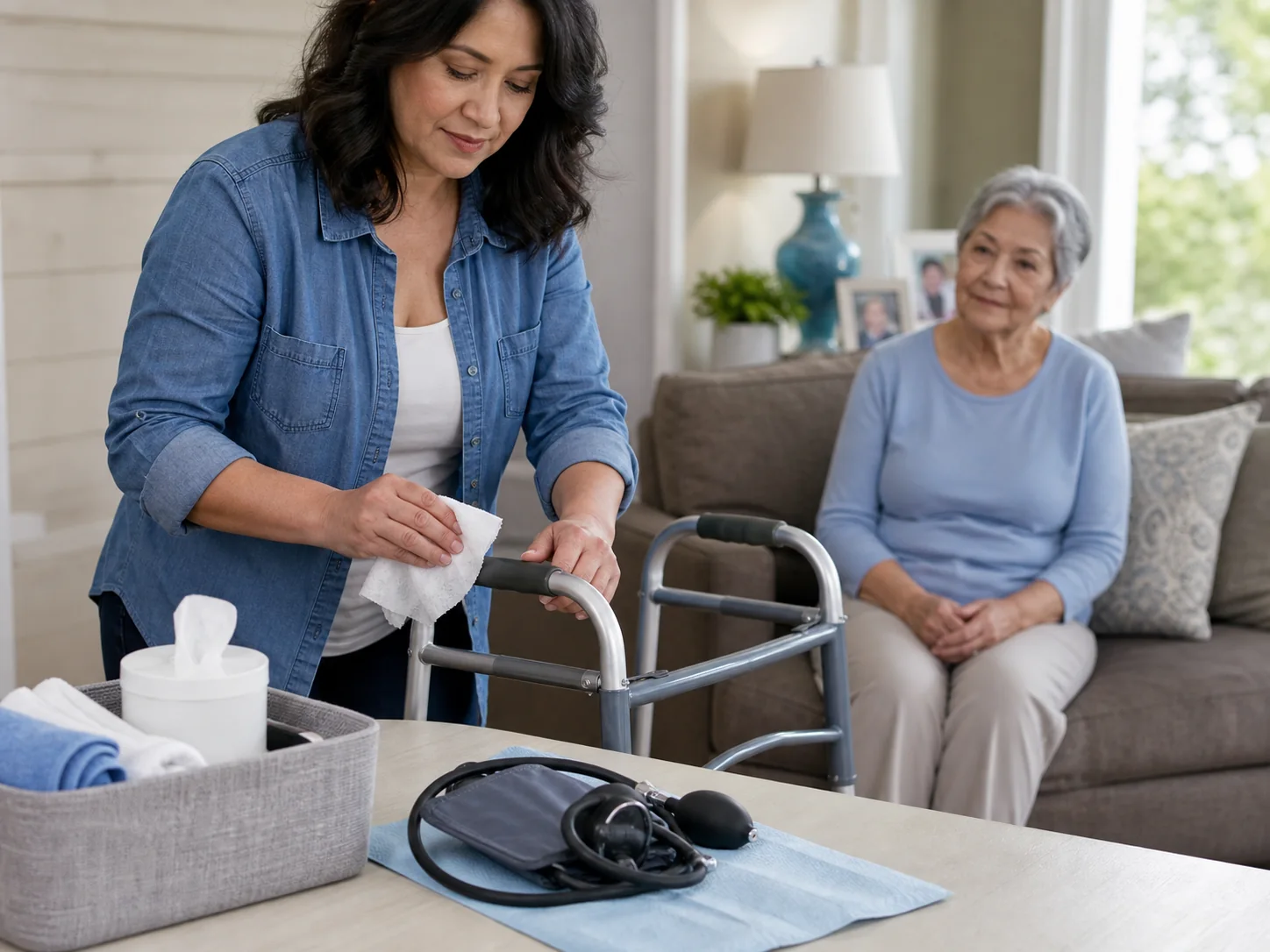
Medical equipment and frequently touched surfaces can collect germs even when they look clean. CDC identifies environmental cleaning and disinfection, as well as proper reprocessing of reusable medical equipment, as core infection prevention practices for all healthcare settings.
Read article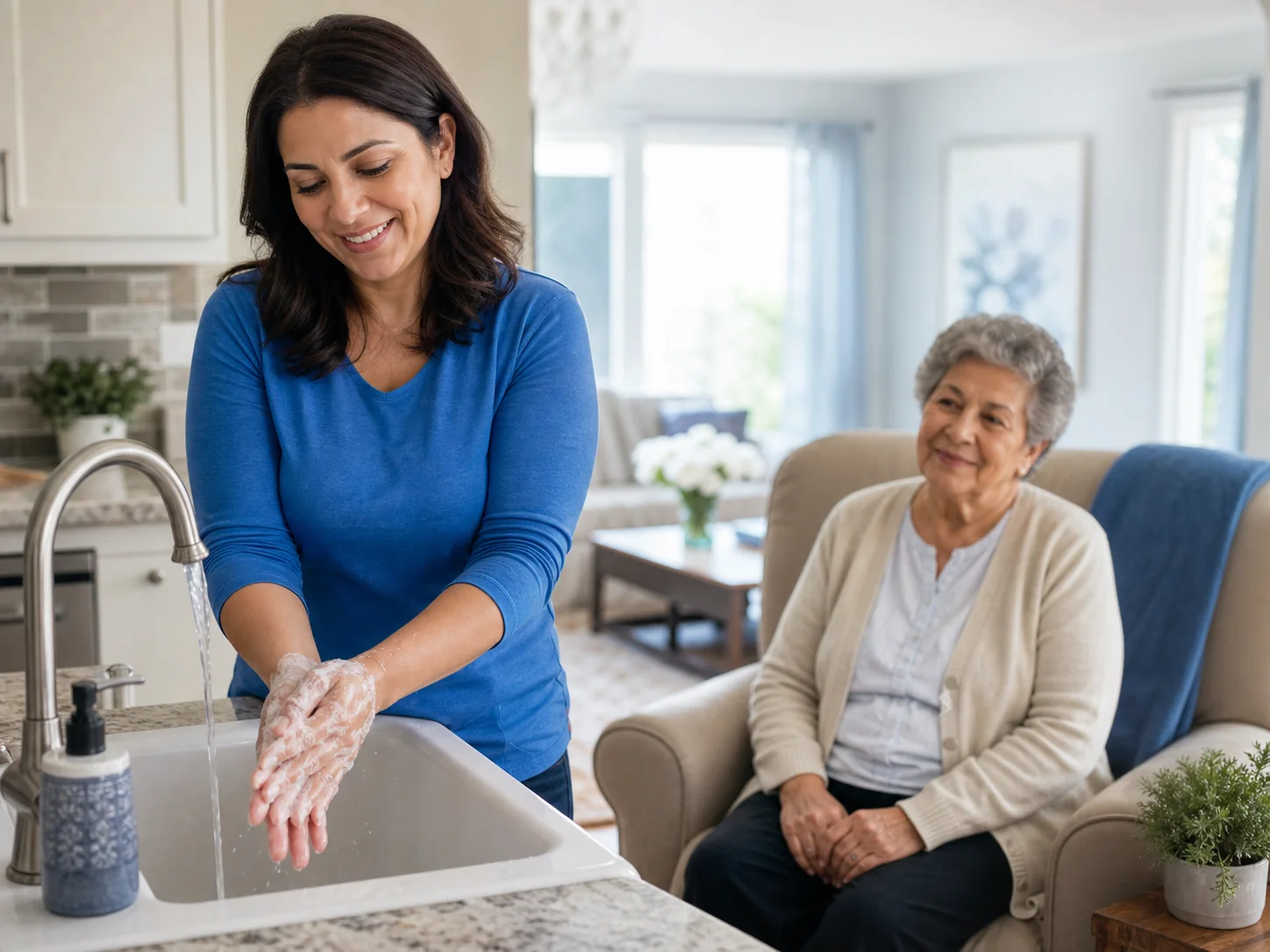
Cleaning the hands is one of the simplest and most effective ways to reduce the spread of germs at home. CDC lists hand hygiene as a core standard precaution and recommends that healthcare personnel perform hand hygiene immediately before touching a patient, before an aseptic task, after touching a patient or the patient’s environment, after contact with blood or body fluids, and immediately after glove removal.
Read article
When a loved one is older, recovering from illness, or living with a chronic condition, even a minor infection can quickly become serious. CDC states that core infection prevention and control practices apply in all settings where healthcare is delivered, including homes, assisted living communities, and other nontraditional care environments.
Read article
Learn how in-home care in McKinney helps seniors age at home — why the city makes aging in place harder, what care actually does, warning signs, paying for it, and how to vet a serious agency.
Read article
Learn how memory care in McKinney supports a loved one with Alzheimer's or dementia — why standard care falls short, sundowning, types of dementia, staying home vs a community, and what to ask before hiring.
Read article
Learn how memory care in Frisco supports a loved one with dementia or Alzheimer's — stage-by-stage care, Frisco-specific risks, how to vet a provider, paying for it, and when to stay home versus move.
Read article
Learn when to arrange post-discharge care in Dallas after surgery — the risky first 72 hours, which procedures need a caregiver, what DFW heat and distance add, and how to pay for it without overbuying.
Read article
Learn when a loved one needs private duty nursing in Plano — how it differs from home health, who it is for, how it is paid for in Texas, and how to vet an agency before the next hospital stay.
Read article
Learn why seniors stop socializing — shrinking circles, lost driving, hearing loss, and fear of falling — and what families can do, plus how steady companionship helps reopen the door.
Read article
Learn how in-home care helps Fort Worth seniors avoid unsafe daily routines — safer bathing, medication and cooking support, heat and transportation help, and the early signs a caregiver catches before they become emergencies.
Read article
Learn the signs a Dallas loved one may need memory care — early lapses, home-safety and medication risks, mood shifts like sundowning, and caregiver burnout — and why starting in-home support before a crisis helps.
Read article
Learn the everyday signs a Dallas parent may need in-home care — slipping routines, safety changes, post-hospital recovery, and caregiver burnout — and why families who start sooner usually wish they had.
Read article
Learn how in-home care helps seniors stay safe in Plano — preventing falls, managing medications, responding fast in emergencies, and catching the everyday risks families miss.
Read article
Discover how nurse-led home care helps seniors age safely at home with RN-guided plans, medication support, fall prevention, and family peace of mind.
Read article
Learn how to safely manage multiple medications for aging parents with organized schedules, refill checks, side effect monitoring, and nurse-guided support.
Read article
Learn how nurse delegation supports assisted living and memory care residents with RN-guided tasks, safer daily care, medication help & trained caregiver support.
Read article
Learn how nurse-led care improves senior safety through RN-guided plans, medication oversight, fall prevention, and support for complex health needs.
Read article
Learn what to do after a loved one comes home from the hospital, including medication checks, fall prevention, follow-up care, and safe recovery support.
Read article
Learn how nurse delegation helps seniors stay safe at home with trained caregiver support, RN-guided tasks, medication help, and better daily care.
Read article
Learn what can happen when medications are missed and how families can prevent errors with routines, reminders, caregiver support, and nurse-led guidance.
Read article
Learn what happens during a home wound care visit, including wound checks, dressing changes, infection monitoring, healing guidance, and family support.
Read articleLearn what home care nurses do for families, from medication support and care coordination to safety checks, recovery guidance, and peace of mind at home.
Read article
Discover how nurse-led care coordination helps families manage senior home care, improve safety, support caregivers, and enhance recovery after hospitalization.
Read article
Learn which tasks a delegating nurse can oversee in home care, including medication assistance, caregiver supervision, and safe care coordination for seniors.
Read article
Learn what home care services are, what they include, and who needs them. Explore different types of home care support for people who require daily assistance.
Read article