When a loved one begins struggling with daily routines, recovering after a hospital stay, or managing a long-term health condition, families often face a difficult question: Is it still safe for them to be at home? For many people, the answer is yes but only with the right support.
Home care services are designed to help individuals remain in the comfort of their own homes while receiving assistance with personal care, daily activities, recovery, companionship, or skilled health-related needs. Instead of moving into a facility before it is truly necessary, many seniors and adults with medical or mobility challenges can continue living safely at home with professional support.
For families, home care offers more than convenience. It brings peace of mind, reduces caregiver stress, and creates a more structured care environment. For healthcare providers, senior communities, and referral partners, reliable home care can help support safer transitions, better follow-through, and fewer avoidable complications after discharge.
Understanding What Home Care Services Really Mean
Home care is a broad term, and that is why many families feel confused at first. It can include simple daily help, hands-on personal care, nurse-led oversight, private duty nursing, therapy support, or care coordination after hospitalization.
At its core, home care means bringing the right level of support into a person’s home so they can live with more safety, comfort and independence.
Home Care Is Not One-Size-Fits-All
One person may need help bathing twice a week. Another may need medication reminders, meal preparation, mobility support, and monitoring after surgery. Someone else may need skilled nursing care for a complex condition.
A strong home care plan should match the person’s health, lifestyle, family involvement, and home environment. The goal is not to take over someone’s life. The goal is to support them where they are vulnerable while helping them keep as much independence as possible.
Common Types of Home Care Services
Home care can look different depending on the person’s needs. Some services are non-medical, while others involve licensed clinical care.
Personal Care Assistance
Personal care helps with daily activities that may become difficult due to aging, weakness, pain, disability, or recovery.
This may include:
- Bathing, grooming, and dressing
- Toileting and hygiene support
- Mobility assistance and transfers
- Meal preparation
- Light housekeeping related to daily living
- Help with safe routines throughout the day
For example, an older adult may be able to live alone but feel unsafe getting in and out of the shower. A trained caregiver can reduce that risk while helping the person maintain dignity and routine.
Companion Care
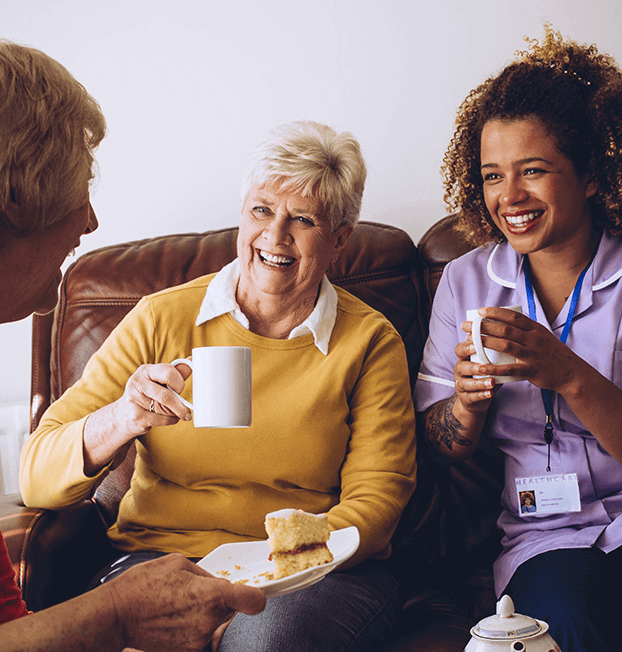
Companion care focuses on emotional support, supervision, and daily engagement. This can be especially helpful for seniors who live alone or have family members who cannot visit every day.
A companion may help with conversation, simple activities, errands, reminders, and general supervision. This type of care can reduce isolation and help families notice changes earlier, such as confusion, poor appetite, or declining energy.
Skilled Nursing and Private Duty Nursing
Some individuals need a higher level of care at home. Skilled nursing or private duty nursing may be appropriate when a person has medical needs that require professional oversight.
This can include wound care, monitoring chronic conditions, medication-related support, post-surgical care, or care for individuals with more complex health needs. Nurse-led care is especially valuable when small changes in condition could quickly become serious if missed.
Therapy and Recovery Support
After surgery, illness, stroke, injury or hospitalization, some people need therapy services at home. Physical therapy, occupational therapy, or speech therapy may help improve strength, balance, movement, communication or independence with daily activities.
Therapy support at home is practical because it takes place in the environment where the person actually lives. For example, an occupational therapist can help someone relearn how to safely move around their own bathroom, kitchen or bedroom.

Who Needs Home Care Services?
Home care is not only for seniors who are very ill. Many people benefit from support before a crisis happens.
Seniors Who Want to Age at Home Safely
Many older adults want to remain in familiar surroundings. Home care can make that possible by filling the gaps that make independent living harder.
A senior may need care if they are:
- Forgetting meals or medications
- Having trouble bathing, dressing, or cooking
- Falling or feeling unsteady
- Becoming isolated or withdrawn
- Struggling to keep the home safe and organized
- Relying too heavily on one family caregiver
The earlier families recognize these signs, the easier it is to create a plan before an emergency occurs.
Adults Recovering After Hospitalization
Coming home from the hospital can feel relieving, but it can also be risky. New medications, weakness, follow-up instructions, wound care needs, and limited mobility can overwhelm both the patient and the family.
Home care helps bridge the gap between hospital discharge and stable recovery at home. A caregiver or nurse can help the person follow routines, notice warning signs and avoid unnecessary setbacks.
For example, someone recovering from surgery may not need to stay in a facility, but they may still need help getting to the bathroom safely, preparing meals, keeping the incision area clean, and remembering follow-up instructions.
People With Chronic Conditions
Individuals living with conditions such as heart disease, diabetes, COPD, Parkinson’s disease, dementia, or stroke-related limitations often need consistent support.
Home care can help create structure around daily routines. This may include meal support, mobility assistance, symptom observation, medication reminders, and communication with family members when something changes.
For families, this is especially important because chronic conditions often change slowly. A trained caregiver may notice patterns that family members miss, such as increased fatigue, shortness of breath, swelling, confusion or changes in appetite.
Individuals With Memory Loss or Dementia
People with memory loss may appear physically independent but still face serious safety risks. They may forget to eat, leave appliances on, wander, miss medications, or become anxious when routines change.
Home care can provide supervision, redirection, companionship, and routine-based support. In familiar surroundings, many individuals with memory loss feel calmer and more secure.
The right care plan should focus on patience, consistency, safety and dignity not just task completion.
Family Caregivers Who Need Support
Sometimes the person who needs home care is not the only one at risk. Family caregivers often become exhausted while trying to manage care, work, children, appointments, and emotional stress.
Home care gives family caregivers breathing room. It allows them to remain involved without carrying every responsibility alone.
This support can prevent burnout and help families make better decisions because they are not operating from constant stress.

Signs It May Be Time to Consider Home Care
Families often wait until a fall, hospitalization, or serious decline happens before seeking help. But home care is usually most effective when started earlier.
Consider home care if you notice:
- Frequent falls, near-falls, or fear of walking alone
- Missed medications or confusion about prescriptions
- Poor hygiene, weight loss or skipped meals
- Difficulty getting dressed, bathing, or using the restroom
- Increased forgetfulness or unsafe behaviors
- A home that is becoming cluttered, dirty or unsafe
- Repeated hospital visits or slow recovery after illness
- Family caregivers feeling overwhelmed or unavailable
These signs do not always mean someone needs full-time care. Sometimes a few hours of support each week can make a meaningful difference.
How Home Care Helps Families Make Safer Decisions
Home care gives families a clearer picture of what is happening day to day. Instead of guessing from short visits or phone calls, families can rely on trained professionals who observe changes and provide practical support.
It Reduces the Risk of Small Problems Becoming Bigger
A missed meal, skipped medication, or minor mobility issue may not seem serious at first. But over time, these small problems can lead to weakness, falls, infection, dehydration or hospital readmission.
Caregivers and nurses help maintain routines that protect health and independence.
It Keeps Care More Personal
In a home setting, care can be built around the individual’s habits, preferences, culture, and comfort. This matters because people are more likely to cooperate with care when it feels respectful and familiar.
For example, a caregiver may learn that a senior eats better when breakfast is served later, or that a person with dementia becomes calmer with a predictable evening routine.
It Helps Families Plan Ahead
Home care can also help families understand whether needs are increasing. If a person begins needing more help with mobility, memory or personal care, the care plan can be adjusted before the situation becomes unsafe.
Home Care vs. Home Health Care: What Is the Difference?
Families often use these terms interchangeably, but they are not always the same.
Home Care Focuses on Daily Living Support
Home care usually includes help with personal care, companionship, supervision, meals, light housekeeping and daily routines. It is often used to help someone remain safe and comfortable at home.
Home Health Care Includes Skilled Medical Services
Home health care generally involves skilled services such as nursing, therapy, or medical social support. These services may be ordered after a hospital stay, surgery, illness, or change in condition.
Some providers offer both non-medical home care and clinical support, which can be helpful for individuals with complex needs. A coordinated approach allows families to receive practical daily help and professional health oversight when needed.

Why Nurse-Led Home Care Can Be Especially Valuable
For seniors and adults with complex health needs, nurse-led care can provide an added layer of safety. Nurses understand how medical conditions, medications, mobility, nutrition and home safety connect.
A nurse-led team can help identify risks, guide caregivers, communicate with families, and support care coordination. This is especially important after hospital discharge, when instructions can be confusing and the person’s condition may still be changing.
For a family, this means they are not just hiring “help at home.” They are gaining a care partner who understands both daily living needs and health-related concerns.
How Home Care Supports Healthcare Providers and Senior Living Communities
Home care does not only benefit individuals and families. It also supports hospitals, physicians, rehabilitation centers, assisted living communities and memory care communities.
When reliable care is in place, patients are more likely to follow discharge instructions, attend appointments, maintain safer routines, and report changes before they become emergencies.
For senior communities, added private care can help residents receive more personalized attention while remaining in the setting they already know. For healthcare providers, strong home care coordination can support smoother transitions and better continuity after treatment.
Choosing the Right Home Care Provider
Selecting a home care provider should involve more than comparing hourly rates. Families should look for professionalism, communication, training, flexibility, and clinical awareness.
Questions Families Should Ask
Before choosing a provider, ask:
- What types of care do you provide?
- Do you offer nurse-led oversight or skilled nursing support?
- How do you create a care plan?
- How are caregivers trained and supervised?
- Can services change if needs increase?
- How do you communicate updates to families?
- Do you coordinate with physicians, facilities or discharge planners?
The right provider should listen first, explain options clearly and recommend a level of care that fits the person’s real situation.
When Home Care May Not Be Enough
Home care can support many people safely, but it is not always the complete answer. If someone needs constant medical monitoring, has severe safety risks, or requires emergency-level care a higher level of support may be necessary.
Families should seek urgent medical attention if a loved one has chest pain, trouble breathing, sudden weakness, signs of stroke, severe confusion, uncontrolled bleeding, or any emergency symptoms.
Home care works best when it is part of a realistic care plan, not a replacement for emergency care or physician-directed treatment.
Conclusion
Home care services give individuals the chance to remain in a familiar place while receiving the help they need to live more safely and comfortably. Whether someone is aging at home, recovering after hospitalization, managing a chronic condition, or living with memory loss, the right support can protect independence and reduce stress for the entire family.
The future of home care is becoming more personalized, coordinated, and clinically informed. Families are no longer looking only for basic assistance. They want trusted care partners who understand safety, dignity, recovery, and long-term well-being.
For many households, home care is not about giving up independence. It is about protecting it.
Not sure where to start?
Talk to our nurse-led team about coordinating care for your loved one at home.
Explore more insightsFAQs
What are home care services?
Home care services provide support at home for daily living, personal care, companionship, recovery or health-related needs.
Who needs home care?
Seniors, adults recovering from surgery, people with chronic conditions, individuals with memory loss and family caregivers who need support may benefit from home care.
Is home care only for seniors?
No. Home care can also help adults with disabilities, illness, injury, post-hospital recovery needs or complex medical conditions.
What is the difference between home care and home health care?
Home care usually helps with daily activities and personal support. Home health care includes skilled services such as nursing or therapy.
How do I know if my loved one needs home care?
Warning signs include falls, missed medications, poor hygiene, skipped meals, confusion, unsafe routines or caregiver burnout.