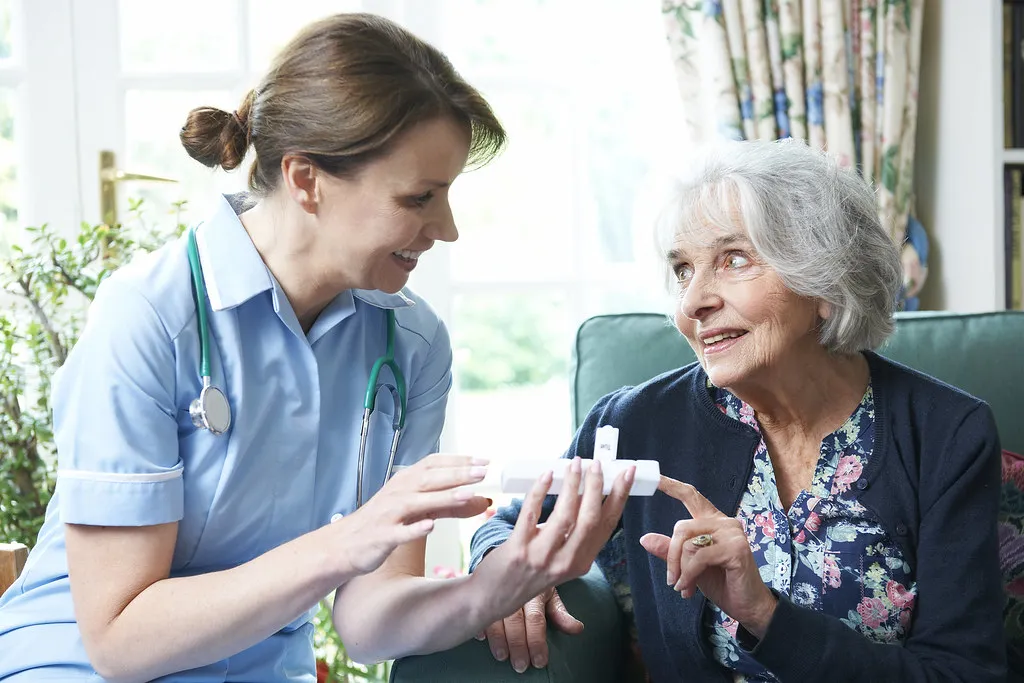
When someone in the Dallas–Fort Worth area has a wound that requires ongoing attention, traveling to a clinic for regular care may not always be practical. Home wound care allows individuals to receive professional nursing support in the comfort and privacy of their own home.
Whether recovering from surgery, managing a pressure injury, or healing from a chronic wound, understanding what happens during a home wound care visit can help reduce anxiety and set expectations.
What to Expect During a Home Wound Care Visit
Home wound care involves skilled nursing services provided at a patient’s residence. The goal is to promote healing, prevent infection, monitor progress and support overall health while allowing individuals to remain safely at home.
Every person’s care needs are different, but most visits follow a structured process designed to ensure consistent and effective treatment.
What Happens During a Typical Visit?
1. Health Review
The nurse begins by reviewing any changes since the previous visit. This may include discussing:
- Pain levels
- Appetite and nutrition
- Sleep patterns
- Mobility and activity levels
- Medication changes
- General health concerns
Reviewing these factors helps identify anything that may affect wound healing.
2. Wound Assessment
Next, the nurse carefully assesses the wound and surrounding skin. This may include evaluating:
- Wound size and depth
- Signs of healing
- Skin condition
- Drainage or moisture levels
- Signs of infection
Regular assessments help track progress and determine whether the care plan remains appropriate.
3. Wound Cleaning
The wound is then cleaned using appropriate clinical techniques. Proper cleansing helps remove debris, reduce the risk of infection, and prepare the wound for dressing.
4. Dressing Application
After cleaning, a suitable dressing is applied based on the wound’s condition and healing needs. Different dressings serve different purposes, including protecting the wound, managing moisture, and supporting tissue repair.
5. Education and Support
An important part of every visit is education. The nurse may provide guidance to the individual and family caregivers on:
- Dressing care
- Infection prevention
- Nutrition and hydration
- Safe movement and positioning
- When to seek additional medical attention
Education empowers patients and families to participate confidently in the healing process.
6. Ongoing Care Planning
Before leaving, the nurse documents observations, reviews progress, and discusses the next steps. Follow-up visits, physician communication, and ongoing goals may also be reviewed.
This structured approach helps keep care organized and ensures continuity throughout recovery.
Who May Benefit from Home Wound Care?
Home wound care may be helpful for individuals who:
- Need regular wound dressing changes
- Have difficulty attending clinic appointments
- Are recovering after surgery or hospitalization
- Live with reduced mobility
- Have pressure injuries or skin breakdown risks
- Require ongoing skilled nursing support at home
- Benefit from caregiver involvement in their care
Receiving treatment at home can improve comfort while maintaining access to professional clinical support.

Simple Tips to Support Wound Healing at Home
Professional care is essential, but healthy daily habits also play an important role in recovery.
- Keep dressings dry (unless advised otherwise): Protects the wound from contamination.
- Eat protein-rich foods: Supports tissue repair and healing.
- Stay hydrated: Promotes overall health and recovery.
- Reduce pressure on affected areas: Helps prevent additional tissue damage.
- Report changes promptly: Allows early intervention if concerns arise.
- Attend scheduled visits: Helps monitor healing progress.
Always follow the recommendations of your nurse and physician, as each wound and individual situation is unique.
The Importance of Compassionate Care
Wound care is about more than dressings and treatments. It is about supporting a person’s comfort, dignity, independence, and quality of life during recovery.
With skilled nursing support, ongoing monitoring, and a personalized care plan, many individuals can heal safely and confidently in the place they feel most comfortable—home.

My Heart Care Services Is Here to Help
If you or a loved one in the Dallas–Fort Worth area could benefit from professional home wound care services, My Heart Care Services can help. We provide private-pay, RN-led home care designed to support safe healing and reduce hospital readmissions. Contact us to learn how our nursing team can support your recovery journey.
Contact UsHow My Heart Care Services Can Help
My Heart Care Services provides private-pay wound care and skilled nursing support for families across Dallas-Fort Worth. Our nurses help monitor wounds, support dressing changes, educate families and coordinate concerns that may require provider follow-up. Learn more on our Wound Care service page, or contact My Heart Care Services to discuss wound care support at home.
You can also review our Clinical Care Standards page to understand how our care model is guided by safety, documentation, nurse-led oversight and quality-focused care processes.
Clinical Excellence
My Heart Care Services uses a nurse-led approach to help families connect daily care with clinical awareness. Care plans may include RN assessment, caregiver instruction, condition-change reporting, medication routine review, fall-risk awareness, infection prevention education and communication with family members or providers when appropriate. This blog is educational and does not replace medical advice, diagnosis or emergency care.
Contributor Bio
Written and reviewed by the Director of Nursing, RN — My Heart Care Services
Reviewed by the Director of Nursing at My Heart Care Services, a licensed Registered Nurse with experience in skilled nursing, IV infusion, care coordination, wound care, RN-led care assessments, RN delegation, medication management, dressing changes, Pleura Vac support, post-surgical care, antibiotic education, and family/caregiver guidance.
The Director of Nursing helps assess client needs, develop individualized care plans, guide caregiver responsibilities, support safe RN delegation, and monitor changes in conditions that may require follow-up with a physician or other healthcare provider.
Clinical forms, policies, procedures, documentation tools, and care processes were developed with support from experienced home care and home health consultants with CHAP and ACHC accreditation expertise. Their guidance helped align My Heart Care Services’ clinical operations with recognized quality, documentation, compliance, and patient safety standards.
FAQs
What does a home wound care nurse do?
A home wound care nurse assesses the wound, cleans it, applies appropriate dressings, monitors for infection, and educates the family on how to support healing between visits.
Can a nurse treat bedsores or pressure ulcers at home?
Yes. Skilled nurses can manage and treat pressure injuries, as well as guide caregivers on proper repositioning techniques to prevent further skin breakdown.
Do I need home wound care after surgery?
Many patients benefit from home wound care after surgery, especially if the surgical site is large, complex, slow to heal, or if the patient has difficulty traveling to follow-up clinic appointments.
How do I know if a wound is infected?
Warning signs of infection include increased redness, swelling, warmth, foul odor, worsening pain, increased drainage, or a fever. If you notice these, contact a healthcare provider immediately.