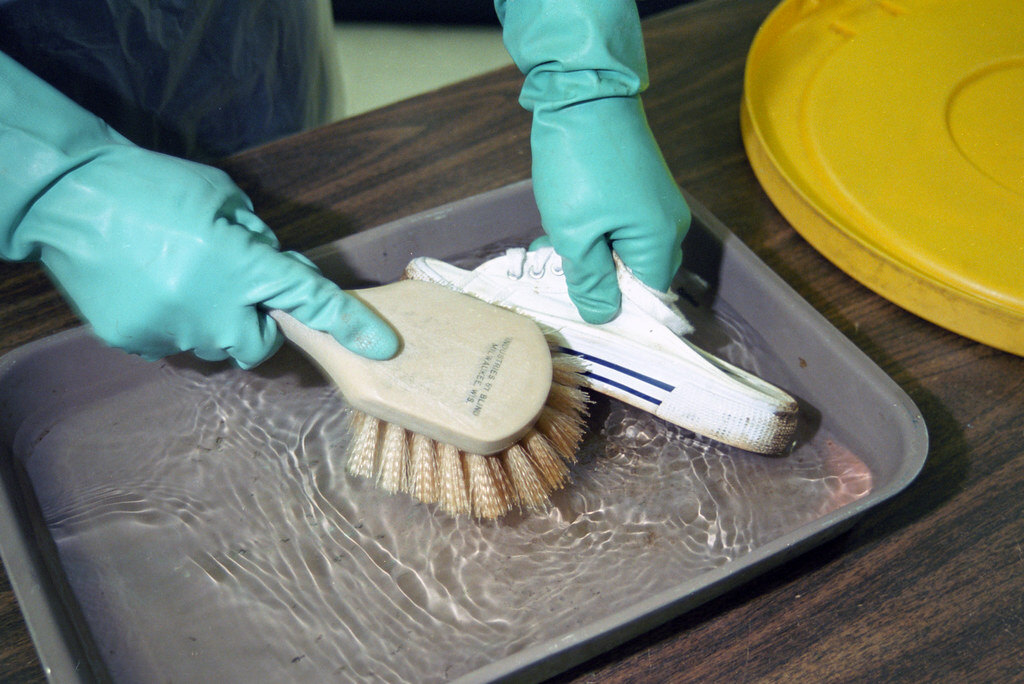
When Protective Equipment Is Needed
Not every care activity requires protective equipment. CDC recommends selecting and using PPE based on the nature of the interaction and the potential for exposure to blood, body fluids, mucous membranes, non-intact skin, contaminated skin, contaminated equipment, or splashes and sprays.
When to Use Gloves
Gloves may be appropriate when helping with toileting, brief changes, wound care, drainage, blood, vomit, urine or stool, soiled laundry, contaminated equipment, or non-intact skin. CDC says gloves should be worn when it can reasonably be anticipated that contact with blood or other potentially infectious materials could occur.
When Masks May Be Useful
Masks may be useful when someone in the home has coughing or respiratory symptoms, when a healthcare provider recommends masking, when a family member is recovering from a contagious respiratory illness, or when close personal care is required around someone at infection risk. CDC’s core practices include respiratory hygiene and cough etiquette as an important way to reduce transmission of respiratory infections.
Eye Protection and Gowns
Eye protection or a gown may be needed when there is risk of splashing from blood, body fluids, wound drainage, or certain medical procedures. CDC notes that protective eyewear and a mask, or a face shield, should be used during activities that could generate splashes or sprays, and gowns should be worn when needed to protect skin and clothing.
PPE Is Only One Part of Infection Prevention
More protective equipment is not always better. CDC notes that PPE is secondary to more effective measures such as administrative and engineering controls, and the most important everyday protections remain clean hands, clean equipment, safe handling of medications, good respiratory hygiene, prompt reporting of symptoms, and avoiding close contact when sick.
Protective Equipment Support at Home
My Heart Care Services helps families understand how to match protective equipment to the actual risk and use it appropriately in the home.
Educational notice: This material is for general information only. It does not replace medical advice, a diagnosis, a physician’s order, or emergency care.
Source links used in this article:
-
CDC Standard Precautions for All Patient Care: https://www.cdc.gov/infection-control/hcp/basics/standard-precautions.html
-
CDC Core Infection Prevention and Control Practices: https://www.cdc.gov/infection-control/hcp/core-practices/index.html