
When a loved one begins needing help at home, families often find themselves managing more than they expected. There may be medications to track, symptoms to watch, doctor instructions to follow, mobility concerns to manage and daily care needs that change from week to week. For adult children, spouses and relatives, this can quickly become overwhelming, especially when they are trying to balance caregiving with work, parenting and their own health.
Home care nurses for families help bridge that gap. They bring clinical knowledge into the home, support safer daily routines and give families a clearer understanding of what their loved one needs. Instead of leaving relatives to guess whether a change is serious, whether a medication routine is working or whether recovery is moving in the right direction, a home care nurse provides professional oversight and practical guidance.
For families in the Dallas–Fort Worth area, especially those caring for seniors, adults recovering after surgery or loved ones with chronic conditions, nurse-led home care can make home feel safer, more organized and more manageable.
How Home Care Nurses Support Families at Home
Understanding The Role Of A Home Care Nurse
Home care nurses in Dallas–Fort Worth provide skilled support for people who need medical or health-related care in a home setting. Their work may include monitoring health conditions, helping with recovery, coordinating care instructions, educating families and identifying early warning signs before they become bigger problems.
Unlike general caregiving, nursing care is clinical in nature. A caregiver may help with bathing, meals, companionship and light household tasks, while a nurse focuses on health assessment, care planning, medication-related oversight, wound support, post-hospital recovery and communication with healthcare providers.
Why This Role Matters For Families
Most families want their loved one to remain at home for as long as possible. The challenge is that home can become difficult to manage when care needs become more complex. A nurse helps families move from reactive caregiving to planned care.
For example, instead of waiting until a parent becomes weak, confused, or short of breath, a nurse may notice changes in appetite, blood pressure, skin condition, medication adherence or mobility. That early observation can help the family take action sooner and avoid unnecessary stress.
Home Care Nurses Help Families Understand The Care Plan
One of the biggest challenges families face is understanding what doctors, hospitals, specialists, and therapists expect after discharge or diagnosis. Instructions can be detailed and families may not always know what matters most.
A home care nurse helps translate care instructions into a practical daily routine. This may include explaining when medications should be taken, what symptoms should be watched, how activity should be paced or when a follow-up appointment is needed.
Turning Medical Instructions Into Daily Steps
A nurse may help a family create a simple routine such as:
- Morning medication reminder and symptom check
- Safe bathing or dressing schedule
- Meal and hydration support
- Mobility or transfer precautions
- Evening check-in for pain, swelling, breathing or confusion
This kind of structure gives families confidence because they are no longer trying to remember everything on their own.
Supporting Seniors With Chronic Conditions At Home
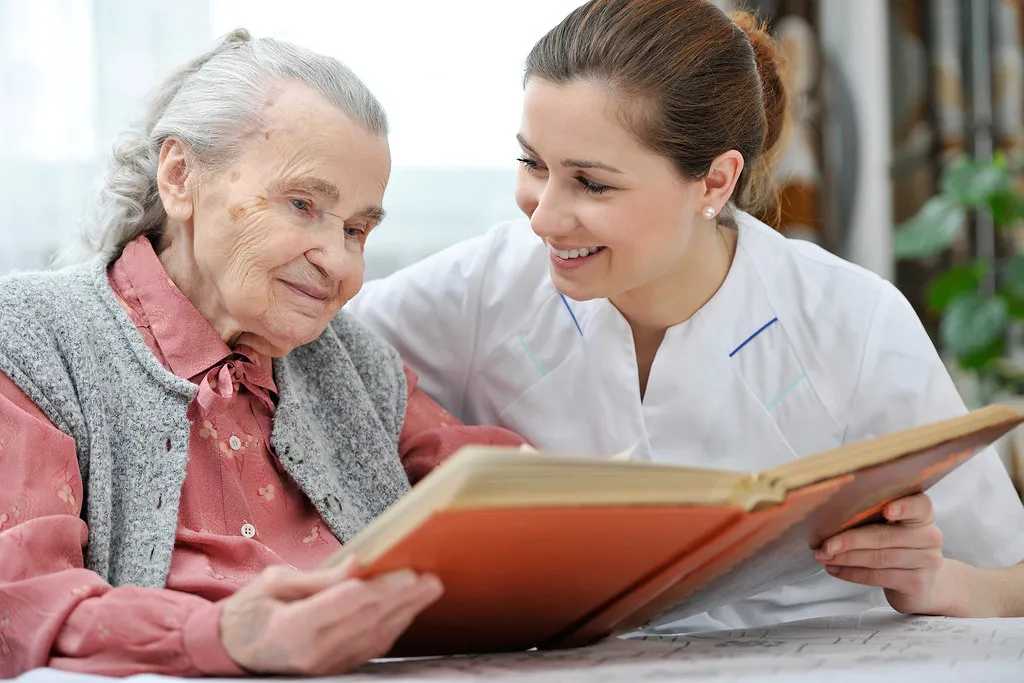
Many families care for loved ones living with long-term conditions such as diabetes, heart disease, dementia, arthritis, COPD, Parkinson’s disease, or post-stroke changes. These conditions often require consistency, observation and regular communication with healthcare professionals.
Home care nurses help families manage these needs by watching for changes that may signal a decline. They may look at energy levels, breathing patterns, swelling, skin condition, appetite, medication response, pain levels and changes in mood or behavior.
Helping Families Notice What Is Easy To Miss
A family member may think, “Mom is just tired today,” while a nurse may recognize that fatigue, confusion, and reduced appetite together could indicate a need for closer evaluation. Nurses are trained to look at the full picture, not just one symptom.
That professional perspective can be especially valuable when a loved one has multiple diagnoses or takes several medications.

Medication Support And Safety Oversight
Medication routines can become complicated, especially for seniors who take several prescriptions at different times of the day. Mistakes may happen when bottles look similar, doses change after a hospital visit or multiple doctors prescribe different medications.
Home care nurses help families understand medication schedules and identify concerns that need clarification from a physician or pharmacist. They do not replace the prescribing provider, but they can help families recognize when something looks inconsistent or when a loved one is struggling to follow the plan.
Common Medication Challenges Families Face
Home care nurses often help families address issues such as:
- Missed or duplicated doses
- Confusion after medication changes
- Side effects that affect balance, appetite or alertness
- Difficulty opening bottles or reading labels
- Different instructions from multiple providers
This support can reduce family anxiety and improve day-to-day safety.
Post-Hospital And Post-Surgery Recovery Support
The period after a hospital stay or surgery is one of the most important times for families to have extra support. A person may be weaker than expected, still in pain, adjusting to new medications or unsure how much activity is safe.
Home care nurses help families understand what recovery should look like at home. They may monitor healing, watch for signs of complications, review discharge instructions and help families know when to contact a provider.
Making The Home Recovery-Friendly
A nurse may recommend practical adjustments such as clearing walking paths, placing essentials within reach, using safe transfer techniques, encouraging hydration and monitoring changes in pain or mobility.
For a family member, these details can make the difference between feeling unsure and feeling prepared.
Wound Care And Skin Monitoring
Some clients need support with wounds, surgical sites, pressure areas, or fragile skin. Families may feel nervous about whether healing looks normal or whether a dressing should be changed.
Home care nurses can provide skilled observation and guidance based on the care plan. They may monitor for redness, drainage, swelling, odor, pain or other changes that should be reported. For seniors with limited mobility, nurses may also help families understand how pressure injuries can develop and how repositioning, hygiene, nutrition and skin checks support prevention.
Care Coordination Between Families And Providers
Families often become the communication hub between doctors, specialists, therapists, pharmacies, and care providers. That responsibility can become exhausting, especially when no one person seems to have the full picture.
A nurse-led home care approach helps organize communication. Nurses can help families prepare questions for appointments, clarify care instructions and share relevant observations with the appropriate provider when needed.
Reducing Confusion Between Appointments
For example, if a loved one becomes short of breath after starting a new medication, the family may not know whether to call the primary doctor, specialist, pharmacy or home care agency. A nurse can help guide the next step and make sure the concern is communicated clearly.
Teaching Families How To Provide Safer Daily Support
Home care nurses do more than provide care directly. They also teach families how to support their loved one safely between visits. This education can help relatives feel less helpless and more capable.
A nurse may teach family members how to recognize warning signs, support mobility, reduce fall risks, encourage hydration, monitor symptoms or follow care instructions correctly.
Practical Family Education Examples
A nurse may show a spouse how to help with transfers from bed to chair without pulling on the person’s arms. They may explain why a parent with diabetes needs regular foot checks. They may help an adult child understand why sudden confusion should not be ignored.
These small lessons can prevent bigger problems and help families respond with confidence.

Emotional Support For Families Under Pressure
Caring for a loved one at home can be emotionally heavy. Families may feel guilty, tired, worried, or unsure whether they are doing enough. A home care nurse can offer reassurance by helping families understand what is normal, what needs attention and what support may be needed next.
This emotional support matters because caregiving decisions are rarely simple. Families may be trying to respect a loved one’s independence while also keeping them safe. A nurse provides a calm, experienced perspective during moments that may otherwise feel overwhelming.
Helping Families Decide When Care Needs Change
Care needs are not fixed. A senior who only needed a few hours of help each week may later need daily support. A person recovering from surgery may improve quickly, while someone with dementia may need more supervision over time.
Home care nurses help families recognize when a care plan should be adjusted. This may involve increasing support, adding therapy, speaking with a physician, reviewing safety risks or considering additional services.
Signs A Family May Need More Support
Families may need to reassess care when a loved one:
- Falls or nearly falls more often
- Misses medications or meals
- Shows new confusion or agitation
- Has repeated hospital visits
- Struggles with bathing, dressing, or mobility
- Needs more help than one family member can safely provide
Recognizing these signs early helps families plan instead of waiting for a crisis.
Supporting Independence While Protecting Safety
One of the most valuable parts of home care nursing is that it supports independence without ignoring risk. Many older adults want to stay in familiar surroundings, keep their routines, and remain involved in daily decisions. A nurse can help make that possible by identifying safe ways to maintain independence.
For example, instead of telling a senior they can no longer shower alone, a nurse may recommend safer timing, a shower chair, supervision nearby or changes to the bathroom setup. The goal is not to take control away from the person. The goal is to make everyday life safer and more sustainable.

How Nurse-Led Home Care Benefits The Whole Family
When nursing support is added to home care, the benefits often extend beyond the person receiving care. Families gain peace of mind, clearer communication and a better understanding of what is happening.
Adult children may feel less pressure to interpret every symptom. Spouses may feel supported instead of alone. Relatives who live far away may feel more confident knowing that a trained professional is involved.
At My Heart Care Services, our nurse-led home care teams in Dallas–Fort Worth combine compassion with clinical oversight. This means the family receives support that is both personal and practical, keeping everyone informed and reducing caregiver burnout.
Choosing The Right Home Care Nurse Or Agency
Selecting home care support is an important decision. Families should look for a provider that listens carefully, explains services clearly, and creates a care plan around the person’s real needs, not just a standard checklist.
A strong home care team should ask about medical history, daily routines, family concerns, safety risks, medications, mobility and personal preferences. The best care feels organized but still human.
Questions Families Can Ask Before Starting Care
Families may want to ask:
- What type of nursing support is available?
- How is the care plan created and updated?
- How does the nurse communicate with family members?
- Can care be coordinated with physicians or facilities?
- What happens if care needs increase over time?
These questions help families choose support that can grow with their loved one’s needs.
Conclusion and Next Step
Home care nurses for families play a vital role in caring for loved ones at home. They provide clinical oversight, explain care instructions, monitor health changes, support recovery, improve medication safety, guide family caregivers and help coordinate communication with healthcare providers.
For many families, the greatest benefit is not just the nursing task itself. It is the confidence that comes from having a knowledgeable professional involved. When families understand what to watch for, how to respond, and when to ask for help, home care becomes less stressful and more effective.
As more seniors and adults with complex needs choose to remain at home, nurse-led care will continue to be an important part of safe, personalized support. With the right nursing guidance, families can protect their loved one’s comfort, dignity and independence while making care at home more manageable for everyone involved.
My Heart Care Services Is Here to Help
If you are caring for a loved one at home in the Dallas–Fort Worth area and feel overwhelmed by their medical or daily needs, My Heart Care Services is here to help. We provide private-pay, nurse-led home care that brings clinical oversight, clear communication, and peace of mind to families. Contact us to discuss how a home care nurse can support your loved one’s safety and independence.
Contact UsHow My Heart Care Services Can Help
My Heart Care Services provides private duty nursing and nurse-led clinical support for families across Dallas-Fort Worth. Our nurses help with skilled care needs, recovery support, monitoring, medication-related oversight and family education. Learn more on our Private Duty Nursing service page, or contact My Heart Care Services to discuss how nursing support may help your loved one at home.
You can also review our Clinical Care Standards page to understand how our care model is guided by safety, documentation, nurse-led oversight and quality-focused care processes.
Clinical Excellence
My Heart Care Services uses a nurse-led approach to help families connect daily care with clinical awareness. Care plans may include RN assessment, caregiver instruction, condition-change reporting, medication routine review, fall-risk awareness, infection prevention education and communication with family members or providers when appropriate. This blog is educational and does not replace medical advice, diagnosis or emergency care.
Contributor Bio
Written and reviewed by the Director of Nursing, RN — My Heart Care Services
Reviewed by the Director of Nursing at My Heart Care Services, a licensed Registered Nurse with experience in skilled nursing, IV infusion, care coordination, wound care, RN-led care assessments, RN delegation, medication management, dressing changes, Pleura Vac support, post-surgical care, antibiotic education, and family/caregiver guidance.
The Director of Nursing helps assess client needs, develop individualized care plans, guide caregiver responsibilities, support safe RN delegation, and monitor changes in condition that may require follow-up with a physician or other healthcare provider.
Clinical forms, policies, procedures, documentation tools, and care processes were developed with support from experienced home care and home health consultants with CHAP and ACHC accreditation expertise. Their guidance helped align My Heart Care Services’ clinical operations with recognized quality, documentation, compliance, and patient safety standards.
FAQs
What Does A Home Care Nurse Do At Home?
A home care nurse provides skilled health support such as monitoring symptoms, reviewing care needs, supporting recovery, helping with medication safety and educating families.
Is A Home Care Nurse The Same As A Caregiver?
No. A caregiver usually helps with daily personal care and household support, while a nurse provides clinical care and health-related oversight.
When Should A Family Consider Home Care Nursing?
Families should consider it after surgery, after a hospital stay, when managing chronic conditions, when medications become complex or when safety concerns increase at home.
Can Home Care Nurses Help Prevent Hospital Readmissions?
They can help reduce risk by monitoring changes, supporting recovery instructions, identifying concerns early and helping families communicate with providers.
Does Home Care Nursing Help Family Caregivers?
Yes. Nurses guide family members, answer care-related questions, reduce uncertainty and help create safer routines at home.