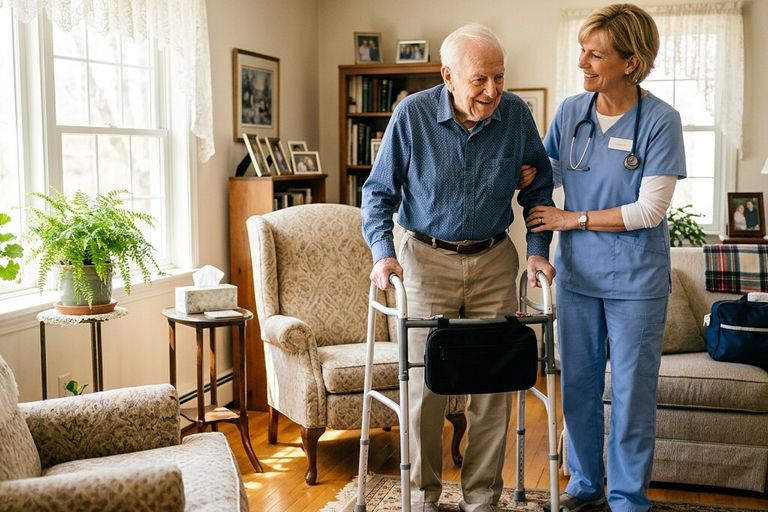
For families who need additional support during this transition, post-discharge care at home can help provide structured support, nursing oversight, and care coordination during recovery.
Preparing the Home Before Discharge
Before the person arrives home, families may want to clear walking paths, clean the bedroom and bathroom, prepare a clean area for medications, organize medical supplies, check that equipment is working, place hand sanitizer near the care area, review discharge instructions, confirm follow-up appointments, and prepare emergency contact information.
These steps support a cleaner environment and reduce confusion during the transition.
Review Medications and Care Instructions
Families should make sure they understand new medications, medications that were stopped, wound-care instructions, activity limitations, diet instructions, equipment use, follow-up visits, symptoms that should be reported, and whom to call with questions.
CDC’s core practices highlight patient, family, and caregiver education as an important part of infection prevention and recommend education about how infections spread, how they can be prevented, and what signs or symptoms should prompt reevaluation and notification of the provider.
When recovery involves complex medications, ongoing monitoring, or other clinical needs, private duty nursing at home may provide additional skilled nursing support.
Keep the Care Environment Clean
After discharge, families should clean hands before assisting with care, keep wound and device supplies protected, avoid reusing disposable supplies, keep pets away from open wounds and clean supply areas, clean shared equipment, avoid sick visitors, and monitor for new symptoms.
CDC’s standard precautions include hand hygiene, environmental cleaning, injection and medication safety, and reprocessing of reusable equipment as essential practices across care settings.
If a person returns home with a wound that requires ongoing professional management, families may also need nurse-led wound care at home as part of the recovery plan.
Coordinate Follow-Up Care
Hospital discharge often involves several moving parts, including physicians, medications, therapy, nursing needs, medical equipment, and follow-up appointments. Keeping everyone informed can help reduce gaps in care.
Families who are managing multiple providers may benefit from care coordination services to help keep the care plan organized and support communication across the people involved in the person’s recovery.
Supporting a Safer Transition Home
A well-prepared home does not eliminate every risk, but it can make the transition safer and less overwhelming. Preparing the environment, understanding discharge instructions, organizing medications and supplies, and knowing when to contact a healthcare provider can help families manage recovery more confidently.
Post-Discharge Support at Home
My Heart Care Services provides post-discharge care at home, including RN-led guidance, caregiver education, nursing support, and coordinated services tailored to the person’s needs after a hospital or rehabilitation stay.
Educational notice: This material is for general information only. It does not replace medical advice, a diagnosis, a physician’s order, or emergency care.
Source links used in this article:
-
CDC Core Infection Prevention and Control Practices https://www.cdc.gov/infection-control/hcp/core-practices/index.html
-
CDC Standard Precautions for All Patient Care https://www.cdc.gov/infection-control/hcp/basics/standard-precautions.html