
Caring for an aging parent or loved one at home in the Dallas–Fort Worth area can start with simple help: preparing meals, assisting with bathing, or making sure the house is safe. But as health needs become more complex, families often face a difficult question: how can seniors receive the right care at home without turning every task into a hospital visit, nursing facility stay or family crisis?
This is where nurse delegation becomes important. Nurse delegation allows certain care tasks to be safely carried out by trained caregivers under the direction and oversight of a licensed nurse. For seniors who want to remain at home, it creates a safer bridge between everyday support and clinical care.
When done correctly, nurse delegation does not replace professional nursing judgment. Instead, it organizes care so that the right person performs the right task, at the right time, with the right supervision. For families, this can mean fewer gaps in care, better daily consistency and greater confidence that their loved one is being supported safely.
Understanding Nurse Delegation In Home Care
Nurse delegation at home is the process where a licensed nurse authorizes a trained caregiver or qualified team member to perform specific care tasks for a patient. The nurse first evaluates the senior’s condition, determines whether the task is appropriate to delegate, provides instructions and continues to supervise the care.
In a home care setting, this matters because many seniors need support that falls between basic companionship and full-time skilled nursing. A caregiver may already be helping with daily routines, but certain health-related tasks require nurse involvement before they can be performed safely.
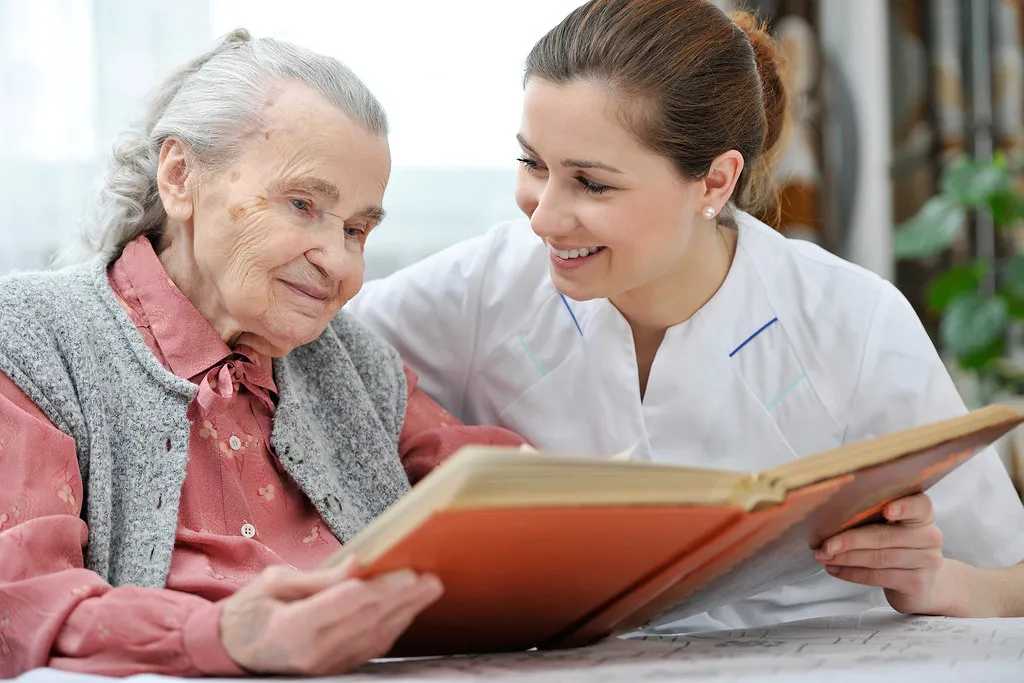
Nurse Delegation Is Not The Same As “Handing Off” Care
A common misunderstanding is that delegation means the nurse simply gives a task away. In reality, nurse delegation is a structured care process. The nurse remains responsible for assessing the situation, deciding what can be delegated, training or confirming the caregiver’s ability and monitoring the outcome.
For example, if a senior needs help with a routine care task after surgery, the nurse does not simply tell the caregiver what to do at once and disappears. The nurse considers the senior’s condition, the risk involved, the caregiver’s training and whether the situation is stable enough for delegated support.
That professional oversight is what makes delegation different from casual caregiving.

Why Nurse Delegation Matters For Seniors Aging At Home
Most seniors prefer the comfort and familiarity of home, but home can also become risky when health needs are not properly monitored. Medication changes, weakness after hospitalization, memory loss, chronic illness, wounds and mobility problems can all create safety concerns.
Nurse delegation for seniors helps reduce those risks by making care more organized and responsive. Instead of families guessing what a caregiver can or cannot do, the nurse creates clear boundaries and instructions.
It Helps Close The Gap Between Family Care And Skilled Nursing
Many families do their best, but they are not trained to evaluate clinical changes. They may notice that a loved one seems weaker, more confused or less steady, but they may not know whether it is urgent.
With nurse-supervised care, concerns can be escalated sooner. A trained caregiver can observe changes during daily routines and report them to the nurse. The nurse can then decide whether the care plan needs to be adjusted, whether the physician should be contacted, or whether a higher level of care is needed.
This type of communication is especially valuable after hospital discharge, when seniors may come home with new medications, new instructions or reduced strength.

What Types Of Tasks May Be Delegated?
The exact rules for nurse delegation vary by state, care setting, patient condition, and agency policy. However, delegated tasks are usually routine, clearly defined and appropriate for the caregiver’s training level.
In home care, delegation may support tasks connected to:
- Daily health monitoring and reporting changes
- Assistance with certain routine care activities
- Support with mobility precautions and fall prevention routines
- Reinforcement of nurse-created care instructions
- Observation for changes in condition, behavior, appetite or comfort
- Certain personal care tasks that require added nurse guidance
Not every task can be delegated. Tasks requiring nursing judgment, complex assessment, or independent clinical decision-making must stay with the licensed nurse. This is an important safety boundary.
The Senior’s Condition Determines What Is Safe
A task that is safe for one senior may not be safe for another. For example, helping with meals may seem simple. But if a senior has swallowing problems, severe weakness or confusion, feeding assistance may require special instructions or closer supervision.
This is why nurse delegation begins with assessment. The nurse must understand the person, not just the task.

How Nurse Delegation Improves Safety At Home
Safety at home is not only about preventing emergencies. It is about building routines that reduce small risks before they become serious problems. Nurse delegation supports that goal in several practical ways.
It Creates A Clear Care Plan
Without a care plan, different caregivers may do things differently. One caregiver may help a senior walk to the bathroom, while another may leave them to walk alone. One may report swelling or confusion, while another may assume it is normal.
A delegated care plan gives the caregiver clear instructions. It can outline what to do, what to avoid, what to document and when to call the nurse or family.
It Reduces Guesswork For Families
Family members often feel pressure to make care decisions they are not trained to make. Nurse delegation gives families a professional structure. They know which tasks are approved, who is supervising them and what warning signs should be reported.
This reduces stress and helps families make decisions with better information.
It Supports Earlier Response To Changes
Seniors can decline quickly, especially after illness, surgery, or hospitalization. A small change, such as reduced appetite, dizziness, confusion, increased pain or difficulty walking, may signal a bigger issue.
When caregivers are trained to observe and report these changes, the nurse can respond sooner. Early attention may help prevent complications, falls, medication issues or avoidable emergency visits.

The Role Of The Nurse In Delegated Home Care
The nurse is the clinical guide behind safe delegation. Their role is not limited to giving instructions. They evaluate whether delegation is appropriate, prepare the caregiver and continue monitoring the care plan.
Assessment Comes First
Before delegation happens, the nurse reviews the senior’s needs, risks, routines, and health status. This may include mobility, memory, medications, wounds, pain, recent hospitalizations, chronic conditions, and family concerns.
The goal is to understand what the senior can safely receive at home and what level of support is needed.
Training And Direction Protect The Senior
A caregiver should never be expected to perform a delegated task without proper direction. The nurse explains the task, expected outcome, safety precautions, and reporting requirements.
For example, the nurse may tell the caregiver what symptoms to watch for, when to stop the task, and when to contact the nurse immediately.
Ongoing Supervision Keeps The Plan Current
Senior care needs can change. A person who was stable last week may become weaker after a medication change. Someone recovering well after surgery may suddenly show signs of infection or confusion.
Ongoing nurse supervision ensures the care plan does not become outdated. The nurse can revise instructions as the senior’s condition changes.

Nurse Delegation And Fall Prevention
Falls are one of the biggest safety concerns for older adults living at home. Many falls happen during ordinary activities, such as getting out of bed, walking to the bathroom, bathing, or moving from a chair to a walker.
Nurse delegation helps by making fall prevention part of the daily care routine rather than an occasional reminder.
Practical Ways Delegated Care Supports Fall Safety
A nurse-supervised caregiver can help reduce fall risks by following specific instructions, such as:
- Assisting with transfers and walking according to the care plan
- Keeping pathways clear and commonly used items within reach
- Watching for dizziness, weakness, or unsteady movement
- Encouraging the use of walkers, canes, or grab bars when assigned
- Reporting new balance problems, confusion or near-falls
- Following bathing and toileting safety routines
This type of consistent support is especially helpful for seniors who are proud of their independence but may underestimate their fall risk.

Nurse Delegation After Hospital Discharge
The transition from hospital to home is one of the most vulnerable times for seniors. Families may receive discharge papers, medication lists, follow-up instructions and therapy recommendations all at once. It can feel overwhelming.
Nurse delegation helps organize this transition. The nurse can review the care needs, identify what support is required, and guide caregivers on safe daily routines.
Why The First Few Days At Home Matter
After discharge, seniors may be weaker than expected. They may have new medications, wound care instructions, diet changes, or mobility restrictions. Without proper support, families may miss early warning signs.
Delegated home care can help seniors follow routines more safely while giving families a clearer path for communication. If something changes, the caregiver knows what to report and the nurse can decide the next step.
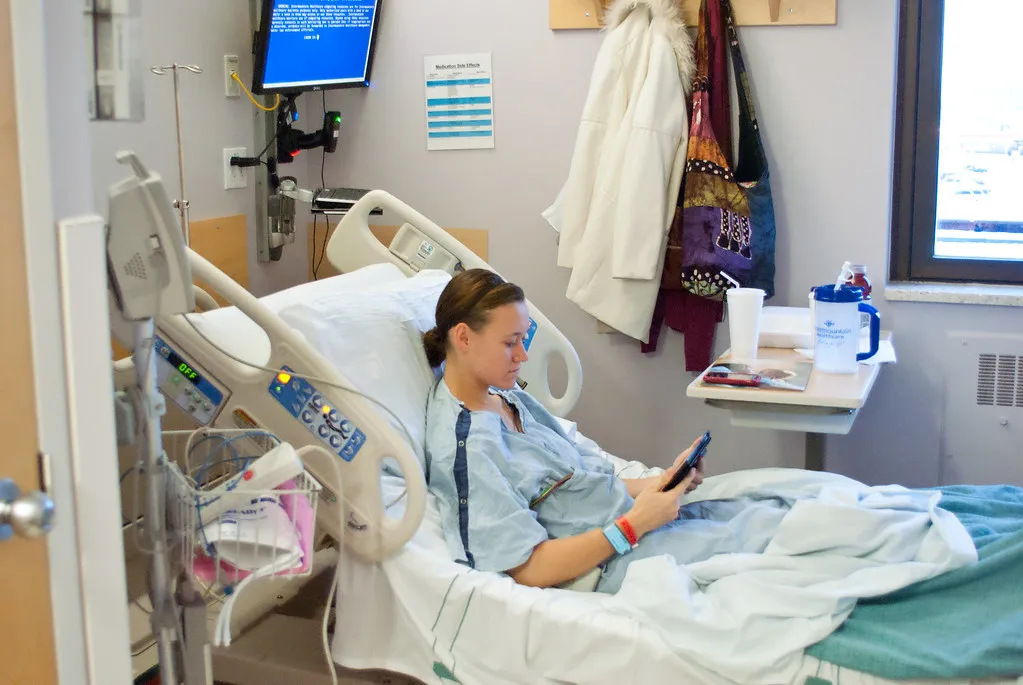
How Nurse Delegation Supports Seniors With Chronic Conditions
Many seniors live with ongoing conditions such as diabetes, heart disease, Parkinson’s disease, dementia, COPD, or limited mobility. These conditions require consistency, observation, and communication.
Nurse delegation can support chronic condition care by helping caregivers understand what “normal” looks like for that person and what changes should be reported.
For example, a senior with heart-related concerns may need closer observation for swelling, shortness of breath, fatigue or sudden weight changes. A senior with dementia may need structured routines, redirection, and safety monitoring. A senior recovering from a wound may need careful observation for changes in comfort, drainage or skin condition.
The nurse connects these daily observations to the bigger care picture.

Why Families Should Choose A Nurse-Led Home Care Provider
Not every home care model offers the same level of oversight. For seniors with changing health needs, a nurse-led care model can offer stronger coordination between caregivers, nurses, physicians and family members.
A nurse-led provider can help families avoid fragmented care, where one person handles bathing, another handles medication questions and another tries to contact the doctor without a clear plan.
What Families Should Look For
When choosing home care, families should ask whether the provider offers:
- Nurse assessment before care begins
- Clear care plans based on the senior’s condition
- Trained and supervised caregivers
- Ongoing communication with the family
- Coordination with physicians, facilities, or discharge planners
- A process for reporting changes quickly
- Support for both daily living and clinical care needs
At My Heart Care Services, we provide nurse-led home care and nurse delegation for families in the Dallas–Fort Worth area. We focus on clinical support, personal care, post-discharge recovery, and care coordination. This kind of integrated, private-pay approach is especially helpful when a loved one needs more than basic assistance to remain safely at home.

How Nurse Delegation Gives Families Peace Of Mind
Peace of mind does not come from simply having someone in the home. It comes from knowing that care is being guided, monitored and adjusted when needed.
Nurse delegation gives families confidence because it creates accountability. The caregiver knows what to do. The nurse knows what to monitor. The family knows who to call. The senior receives care that is more consistent and better aligned with their needs.
This is especially meaningful for adult children who live far away, work full-time or are trying to support a parent while managing their own responsibilities.

Conclusion and Next Step
Nurse delegation for seniors is one of the most practical ways to support those who want to age at home but need more structure than basic companionship can provide. It brings nursing oversight into everyday care, helping trained caregivers perform appropriate tasks safely while keeping the nurse involved in assessment, direction and supervision.
For seniors, this can mean safer routines, fewer missed warning signs, and better support after illness or hospitalization. For families, it means less confusion, clearer communication and greater confidence that their loved one is not navigating care alone.
As more seniors choose to remain at home, nurse delegation will continue to play an important role in making home care safer, more coordinated, and more responsive to real-life needs.

My Heart Care Services Is Here to Help
If you are caring for an aging parent in the Dallas–Fort Worth area and want the peace of mind that comes with professional oversight, My Heart Care Services can help. We provide private-pay, RN-led home care and nurse delegation to keep your loved one safe, stable, and well-supported. Contact us to discuss how nurse delegation can strengthen your family’s care plan.
Contact UsHow My Heart Care Services Can Help
My Heart Care Services provides nurse delegation support for families across Dallas–Fort Worth. Our nurses help assess client needs, train caregivers, guide delegated tasks and monitor changes that may require follow-up. Learn more on our Clinical Services page, or contact My Heart Care Services to discuss a safer care plan for your loved one.
You can also review our Clinical Care Standards page to understand how our care model is guided by safety, documentation, nurse-led oversight and quality-focused care processes.
Clinical Excellence
My Heart Care Services uses a nurse-led approach to help families connect daily care with clinical awareness. Care plans may include RN assessment, caregiver instruction, condition-change reporting, medication routine review, fall-risk awareness, infection prevention education and communication with family members or providers when appropriate. This blog is educational and does not replace medical advice, diagnosis or emergency care.
Contributor Bio
Written and reviewed by the Director of Nursing, RN — My Heart Care Services
Reviewed by the Director of Nursing at My Heart Care Services, a licensed Registered Nurse with experience in skilled nursing, IV infusion, care coordination, wound care, RN-led care assessments, RN delegation, medication management, dressing changes, Pleura Vac support, post-surgical care, antibiotic education, and family/caregiver guidance.
The Director of Nursing helps assess client needs, develop individualized care plans, guide caregiver responsibilities, support safe RN delegation, and monitor changes in conditions that may require follow-up with a physician or other healthcare provider.
Clinical forms, policies, procedures, documentation tools, and care processes were developed with support from experienced home care and home health consultants with CHAP and ACHC accreditation expertise. Their guidance helped align My Heart Care Services’ clinical operations with recognized quality, documentation, compliance, and patient safety standards.
FAQs
What Is Nurse Delegation In Home Care?
Nurse delegation is when a licensed nurse allows a trained caregiver to perform specific approved care tasks under nurse direction and supervision.
Is Nurse Delegation Safe For Seniors?
Yes, when done properly. The nurse assesses the senior, confirms the caregiver’s ability, gives clear instructions and continues to supervise the care.
Can All Nursing Tasks Be Delegated?
No. Tasks that require nursing judgment, complex assessment or independent clinical decisions must be handled by a licensed nurse.
How Does Nurse Delegation Help Families?
It reduces confusion by creating a clear care plan, defining caregiver responsibilities and giving families a professional point of contact.
Who Can Benefit From Nurse Delegation?
Seniors recovering after hospitalization, living with chronic conditions, facing fall risks or needing structured daily support may benefit from nurse-delegated care.