
Medication routines can look simple from the outside: take the right pill, at the right time, in the right dose, but for many older adults and people recovering at home in the Dallas–Fort Worth area, medication management is one of the most fragile parts of daily care. A missed dose may happen because someone forgot, felt too tired, misunderstood new instructions, ran out of refills or became confused after a hospital stay.
The problem is that missed medications do not always cause an immediate warning sign. A loved one may seem “fine” at first, while blood pressure rises, blood sugar becomes unstable, pain increases, infection treatment becomes less effective or symptoms slowly return. Over time, small gaps in medication routines can lead to bigger health setbacks, unnecessary emergency visits, or hospital readmission.
For families, the goal is not to create fear. The goal is to build a safer system at home. With the right routines, communication and support, preventing missed medications is possible before mistakes affect your loved one’s health.
Medication Safety Risks and Prevention at Home
Why Missing Medications Can Become a Serious Home Care Risk?
When a person is prescribed medication, it is usually part of a larger care plan. Some medications control ongoing conditions, while others treat short-term problems after surgery, illness or hospitalization. Missing them can interrupt that plan.
A missed dose may reduce symptom control
For chronic conditions such as high blood pressure, diabetes, heart disease or breathing problems, medication management at home often works best when routines are followed consistently. Missing doses may allow symptoms to return or worsen. For example, a senior who skips blood pressure medication may not feel different right away, but their body may still be under extra strain.
Medication gaps can slow recovery
After a hospital stay, medications may be changed, added, or stopped. This is a common time for confusion. A person may come home with new prescriptions, different dose times or instructions that do not match their old routine. If those changes are not clearly understood, recovery can become harder than expected.
Some medications should not be stopped suddenly
Certain prescriptions can cause problems if they are stopped abruptly or taken inconsistently. This is why families should never guess, double up, or stop medication without guidance from a doctor, pharmacist or nurse. Even when the missed dose seems minor, the safest step is to follow the medication label or contact the healthcare provider.
Common Reasons Medications Are Missed at Home
Missed medications are not always caused by carelessness. In many homes, the issue is a system that has become too complicated for one person or family caregiver to manage alone.
Common reasons include:
- A loved one has several medications with different timing instructions.
- New prescriptions after discharge conflict with old medication habits.
- Memory loss, confusion, or dementia affects daily routines.
- Side effects make the person hesitant to take the medication.
- Refills are not picked up on time.
- Family caregivers are balancing work, children, and care responsibilities.
- Instructions are unclear, especially when multiple providers are involved.
- The person feels better and assumes the medication is no longer needed.
Recognizing the cause matters. A reminder alarm may help someone who simply forgets, but it may not be enough for someone with memory loss, swallowing difficulty, side effects, or frequent medication changes.
What Can Happen When Medications Are Missed?
The impact depends on the type of medication, the person’s health condition, and how often doses are missed. One missed dose may not always lead to an emergency, but repeated missed doses can create a pattern of instability.
Blood pressure or heart medications may lose effectiveness
Medications for blood pressure, heart rhythm, fluid balance, or heart failure are often prescribed to keep the body stable. Missing them can lead to changes that are not always visible at first. A loved one may become more tired, short of breath, swollen in the legs, dizzy or unusually weak.
Diabetes medications can affect blood sugar control
For people with diabetes, missed medications or insulin can lead to high blood sugar. In some situations, incorrect timing or doubling doses can also cause low blood sugar. Families should watch for symptoms such as unusual thirst, shakiness, sweating, confusion, sleepiness, blurred vision or sudden mood changes.
Antibiotics may not work as intended
When antibiotics are prescribed, they need to be taken as directed. Missed doses can make it harder for the body to fully clear an infection. If a loved one stops early because they “feel better,” symptoms may return or the infection may become more difficult to treat.
Pain, anxiety or behavior symptoms may worsen
Some medications help control pain, anxiety, sleep problems, or behavioral symptoms related to dementia. Missed doses may lead to restlessness, agitation, poor sleep, discomfort, or reduced participation in daily activities. Families may notice the behavior first, without realizing the medication routine has been disrupted.

Warning Signs Families Should Watch For
Families do not need to become medical experts, but they should know when a medication issue may be affecting their loved one’s condition.
Physical changes may appear gradually
Watch for new weakness, dizziness, swelling, shortness of breath, nausea, pain, poor appetite, shaking, sweating, or changes in bathroom habits. These changes may have many causes, but medication problems should be considered—especially after a recent discharge or prescription change.
Mental or emotional changes can be a clue
Confusion, sleepiness, agitation, mood swings, or unusual behavior can sometimes be connected to missed medication, incorrect medication timing or side effects. This is especially important for seniors with dementia, because they may not be able to explain what they missed or how they feel.
A “small change” may still deserve attention
If your loved one is suddenly not acting like themselves, do not ignore it. A simple medication review may reveal a missed refill, duplicate prescription, wrong dose or misunderstood instruction.
How Families Can Prevent Missed Medications
Prevention works best when the family creates a routine that does not depend on memory alone. The more complex the care plan, the more important the system becomes.
A practical medication safety routine may include:
- Keep one updated medication list with names, doses, times, and reasons for each medication.
- Use a pill organizer only after confirming the medication schedule is correct.
- Set phone alarms or calendar reminders for dose times and refills.
- Ask the pharmacy about refill synchronization when possible.
- Store medications in one safe, consistent location.
- Review discharge paperwork and compare old versus new prescriptions carefully after every hospital or rehab stay.
- Ask the provider or pharmacist what to do if a dose is missed.
- Do not remove, stop, or double medications without professional guidance.
A good system should be easy for more than one person to understand. If only one caregiver knows the routine, the family may struggle when that caregiver is unavailable.

Why Medication Review Is Critical After a Hospital Stay
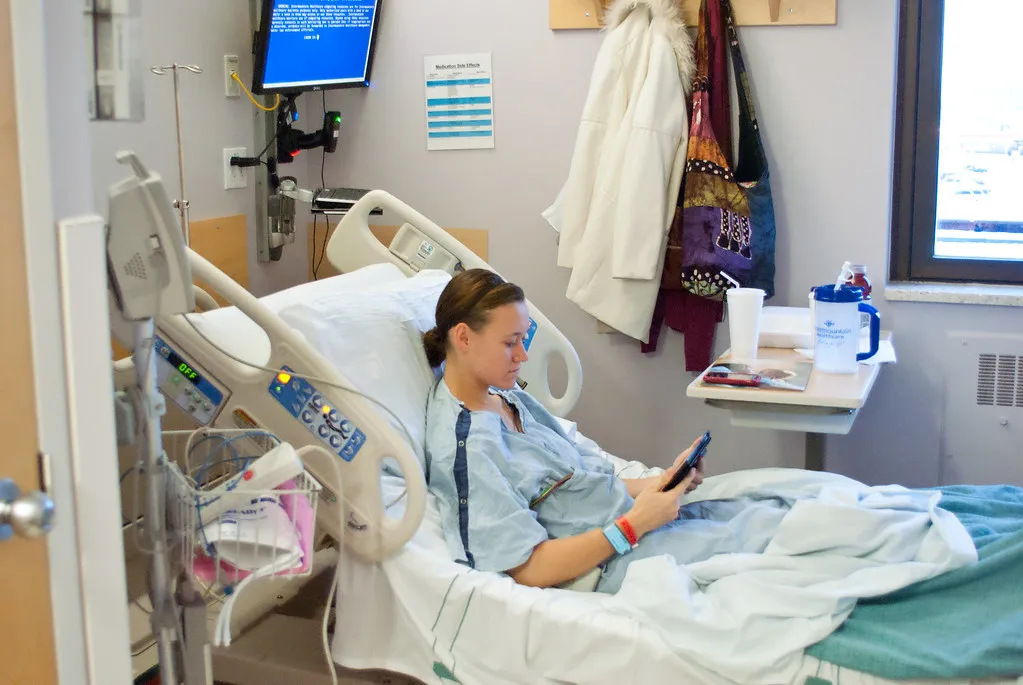
The first few days after discharge are often when medication mistakes happen. A loved one may return home with a new diagnosis, new prescriptions, changed doses, or instructions to stop certain medications. At the same time, the family may be managing weakness, follow-up appointments, wound care, mobility concerns and emotional stress.
Old and new medication lists can conflict
A common problem is when families continue an old medication because it is still in the cabinet, not realizing the hospital changed the plan. Another issue is when two providers prescribe similar medications without the family understanding the overlap.
Discharge instructions should be translated into a daily routine
Families should not only ask, “What medications are prescribed?” They should ask, “What does this look like on Monday morning, lunchtime, evening, and bedtime?” Turning instructions into a real daily schedule helps reduce confusion.
Follow-up calls can prevent bigger problems
If there is uncertainty about a medication, families should contact the prescribing provider, pharmacist, or care coordinator. It is better to ask early than to wait until symptoms appear.
The Role of Home Care in Medication Safety
Medication safety at home is not only about pills. It is about observation, routine, communication, and knowing when something has changed.
Caregivers can support consistency
Depending on the care plan and state regulations, caregivers may help with reminders, routine observation, and reporting concerns to the family or care team. For seniors who forget whether they took a dose, consistent daily support can reduce uncertainty and stress.
Nurses can provide clinical oversight when needs are complex
Some loved ones need more than reminders. They may require medication administration support, injections, monitoring, or nursing assessment. Nurse-led care can help families understand changes, identify risks and coordinate with physicians or pharmacies when questions arise.
Care coordination keeps everyone aligned
When several providers are involved, families may receive different instructions from different places. Care coordination helps connect the dots so medication changes, symptoms, appointments and family concerns are not handled separately.
When Families Should Ask for Help
Families often wait too long because they feel they “should” be able to manage medications on their own. But medication routines can become complicated quickly, especially when a loved one has multiple conditions or recent health changes.
It may be time to ask for support if your loved one:
- Frequently forgets doses or takes them at the wrong time
- Has memory loss or confusion
- Recently came home from the hospital or rehab
- Takes several prescriptions each day
- Has missed refills more than once
- Has new symptoms after a medication change
- Lives alone and has limited supervision
- Needs injections, wound care or clinical monitoring
Getting help does not mean the family has failed. It means the family is building a safer care environment.
How My Heart Care Services Supports Safer Medication Routines at Home
My Heart Care Services provides nurse-led home care and clinical support for families who need help keeping loved ones safe, stable, and supported at home. For families in the Dallas–Fort Worth area, this can be especially valuable after a hospital stay, during chronic condition management, or when a loved one’s care needs become more complex.
At My Heart Care Services, our team provides caregiver assistance, private duty nursing, medication and injection support, post-discharge care and care coordination with families and providers. This helps reduce confusion, prevents hospital readmissions, and gives families a clearer plan for daily care.
Medication safety is not just about avoiding missed doses. It is about making sure the entire care plan works in real life, inside the home.
Conclusion and Next Step
Missed medications can happen in any home, even when families are attentive and loving. The risk increases when routines are complicated, instructions change, or a loved one has memory loss, weakness, or multiple health conditions.
The best approach to preventing missed medications is not simply telling someone to “remember.” It is creating a reliable system: an updated medication list, clear dose schedule, refill plan, professional guidance, and support when care becomes too complex to manage alone.
As more care shifts into the home, families will need stronger coordination between doctors, nurses, caregivers, pharmacies, and loved ones. With the right support, medication routines can become safer, recovery can feel less overwhelming and seniors can remain more stable in the place they know best—their home.
My Heart Care Services Is Here to Help
If you are caring for a loved one in the Dallas–Fort Worth area and feel overwhelmed by their medication schedule, My Heart Care Services can help. We provide private-pay, RN-led home care designed to monitor complex routines, support recovery, and keep seniors safe at home. Contact us to discuss your loved one’s medication needs and how our clinical team can support your family.
Contact UsHow My Heart Care Services Can Help
My Heart Care Services provides medication management support and nurse-led care coordination for families across Dallas-Fort Worth. Our team helps families organize routines, monitor for changes, support safe medication practices and communicate concerns when needed. Learn more on our Medication Management service page, or contact My Heart Care Services to discuss safer support at home.
You can also review our Clinical Care Standards page to understand how our care model is guided by safety, documentation, nurse-led oversight and quality-focused care processes.
Clinical Excellence
My Heart Care Services uses a nurse-led approach to help families connect daily care with clinical awareness. Care plans may include RN assessment, caregiver instruction, condition-change reporting, medication routine review, fall-risk awareness, infection prevention education and communication with family members or providers when appropriate. This blog is educational and does not replace medical advice, diagnosis or emergency care.
Contributor Bio
Written and reviewed by the Director of Nursing, RN — My Heart Care Services
Reviewed by the Director of Nursing at My Heart Care Services, a licensed Registered Nurse with experience in skilled nursing, IV infusion, care coordination, wound care, RN-led care assessments, RN delegation, medication management, dressing changes, Pleura Vac support, post-surgical care, antibiotic education, and family/caregiver guidance.
The Director of Nursing helps assess client needs, develop individualized care plans, guide caregiver responsibilities, support safe RN delegation, and monitor changes in conditions that may require follow-up with a physician or other healthcare provider.
Clinical forms, policies, procedures, documentation tools, and care processes were developed with support from experienced home care and home health consultants with CHAP and ACHC accreditation expertise. Their guidance helped align My Heart Care Services’ clinical operations with recognized quality, documentation, compliance, and patient safety standards.
FAQs
What should I do if my loved one misses a medication dose?
Check the medication label first. If instructions are unclear, call the doctor, pharmacist or nurse. Do not double the dose unless a healthcare professional specifically says to.
Can one missed dose cause serious problems?
Sometimes one missed dose may not cause immediate harm, but it depends on the medication and health condition. Repeated missed doses are more likely to create health risks.
Why do seniors miss medications more often?
Seniors may have several prescriptions, memory changes, vision problems, side effects or confusing instructions after a hospital stay. These factors can make medication routines harder to manage.
How can families make medication routines easier?
Use an updated medication list, pill organizer, reminders, refill tracking and regular pharmacy or provider reviews. For complex needs, home care or nursing support can help.
When should we consider professional help with medications?
Consider help if your loved one forgets often, recently left the hospital, takes multiple medications, has dementia, needs injections or shows new symptoms after medication changes.